


 简体中文
简体中文

Sacchetto per la polvere Costume
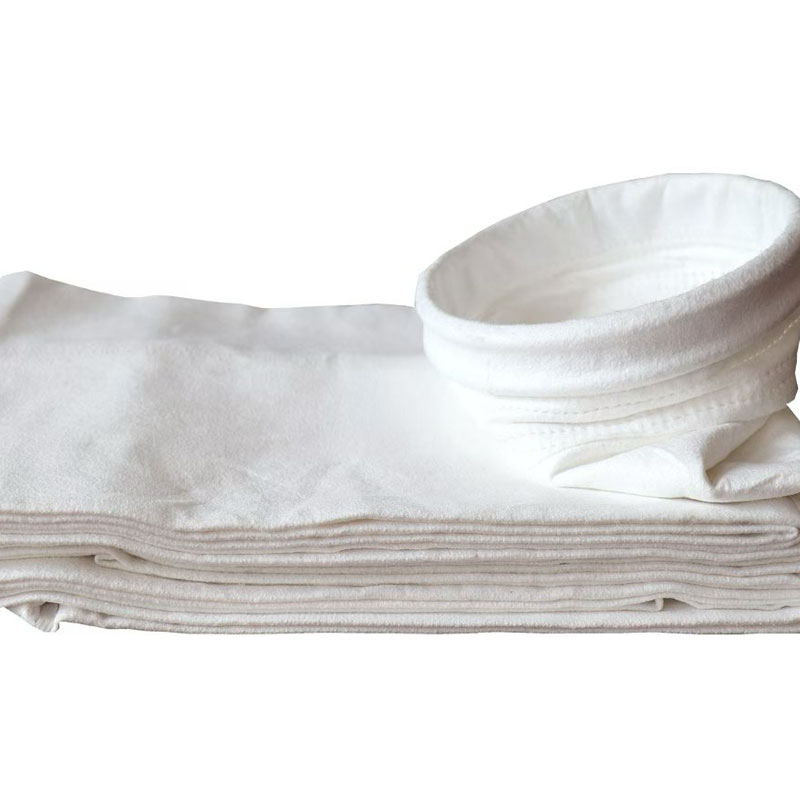
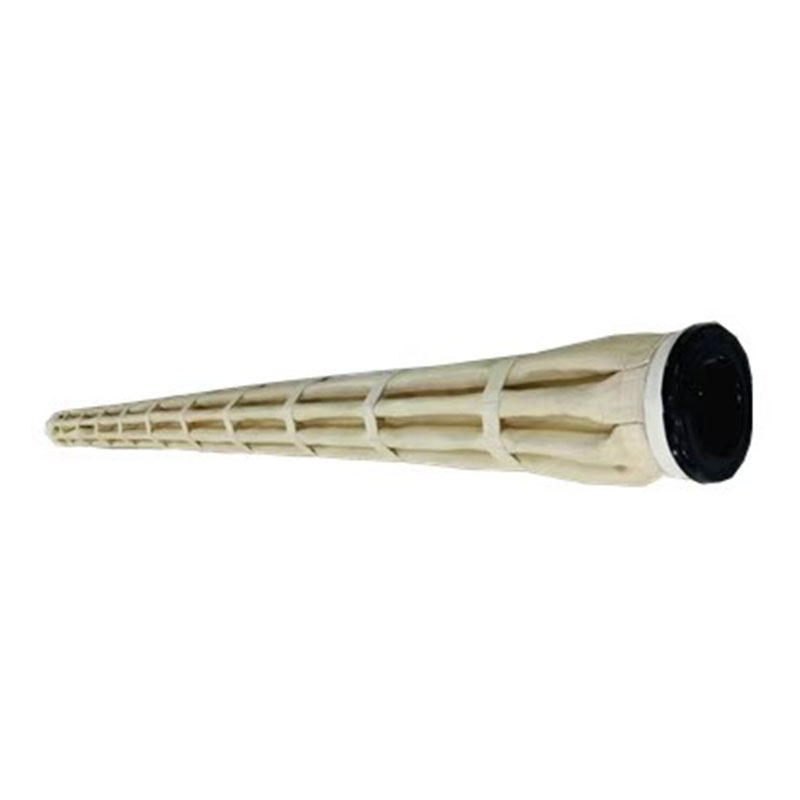
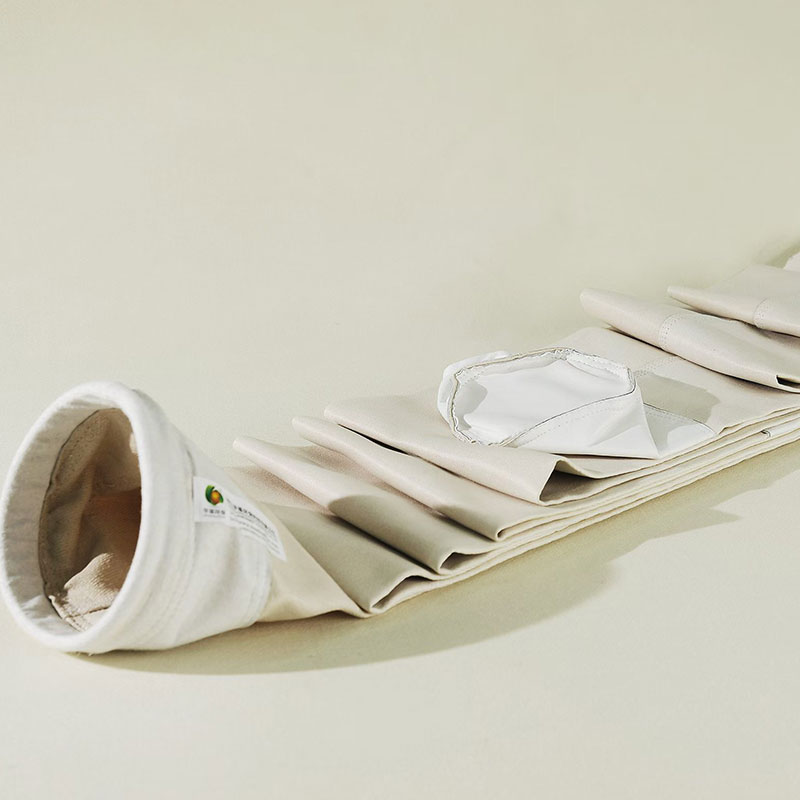
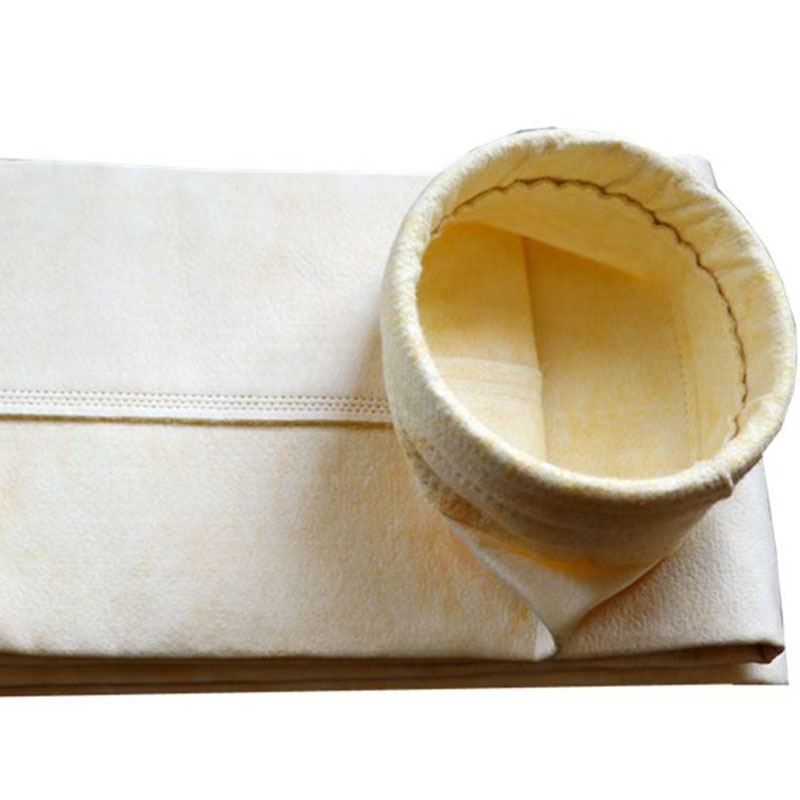
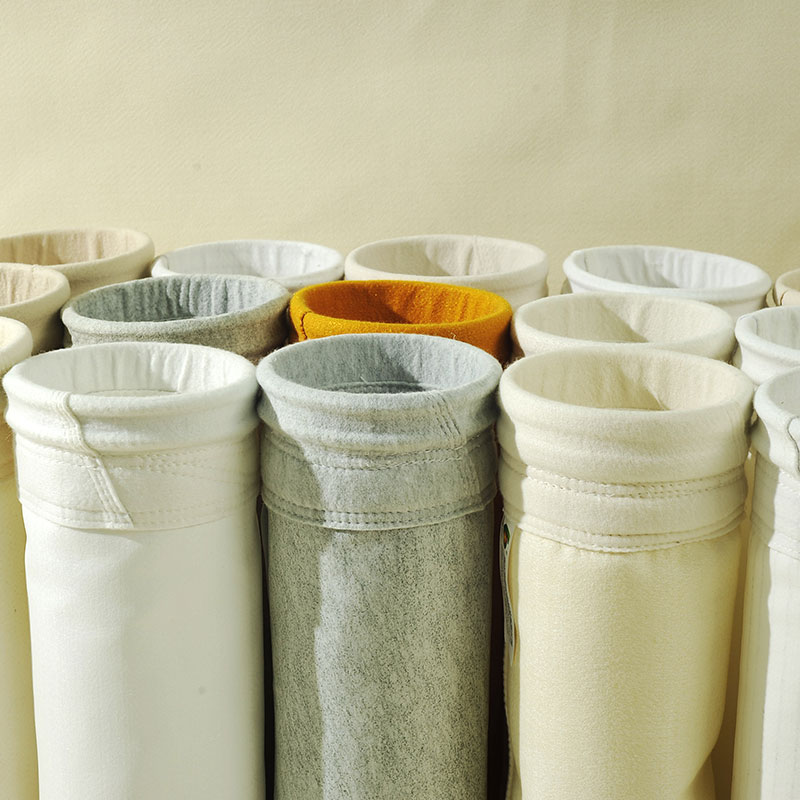
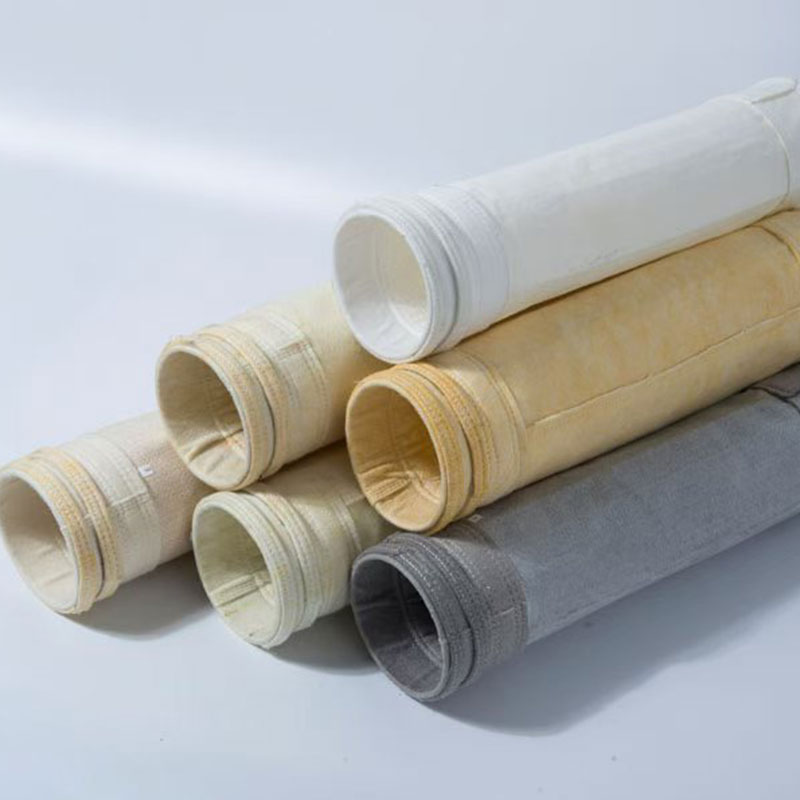

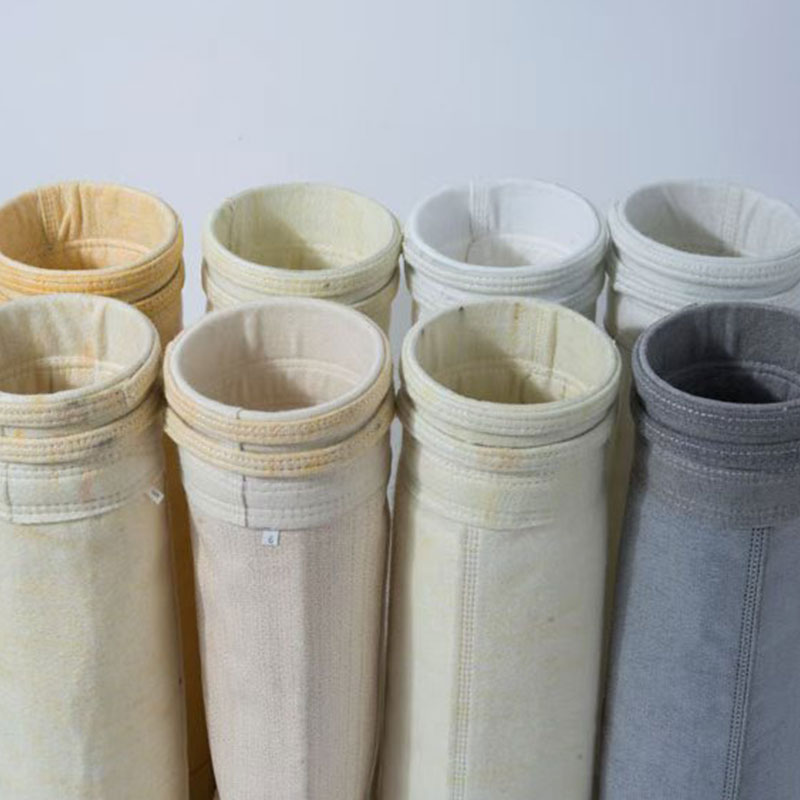
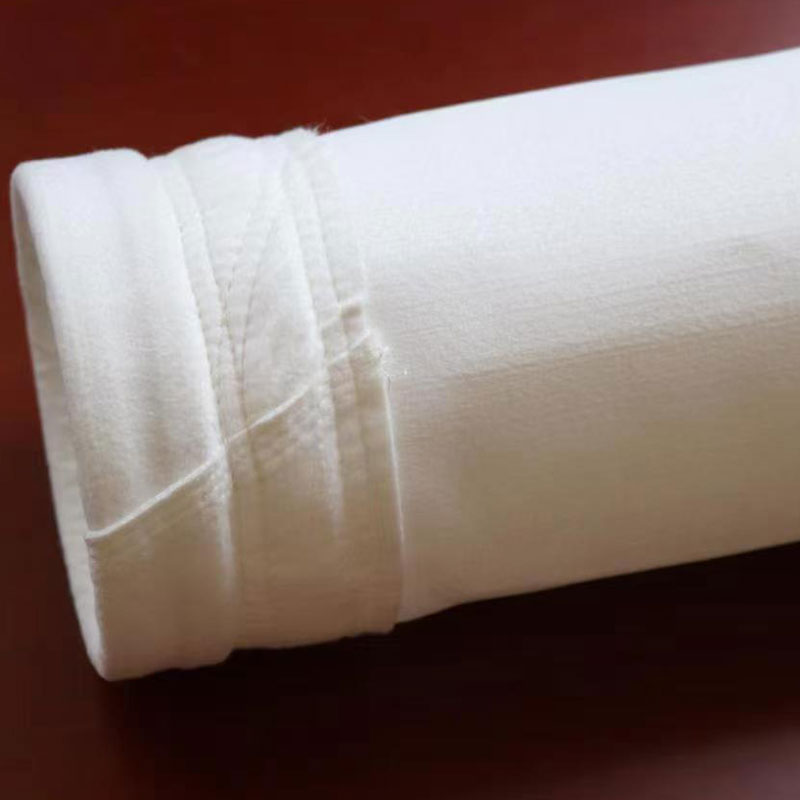
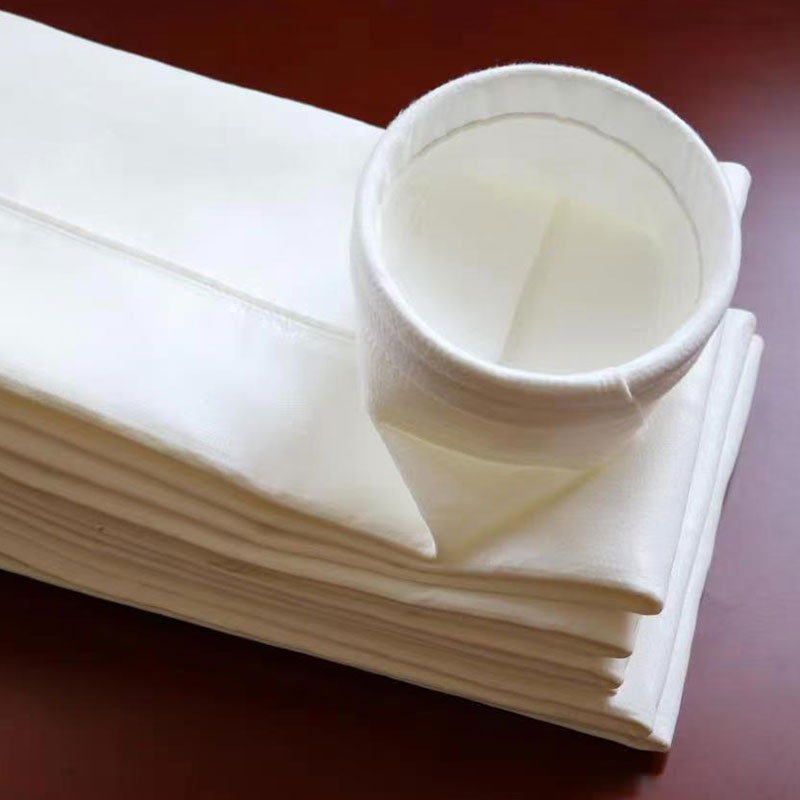
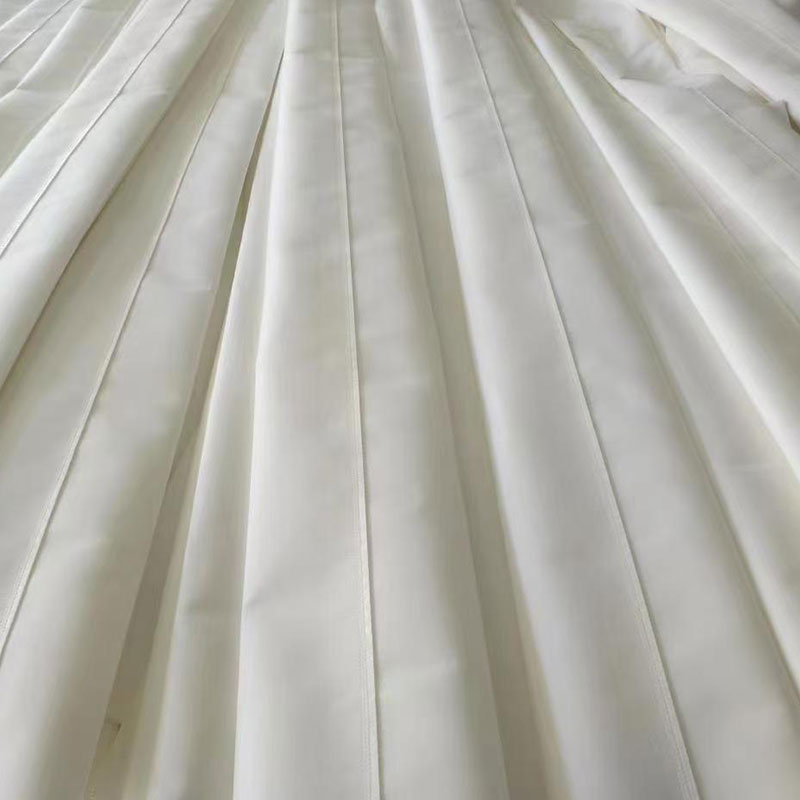
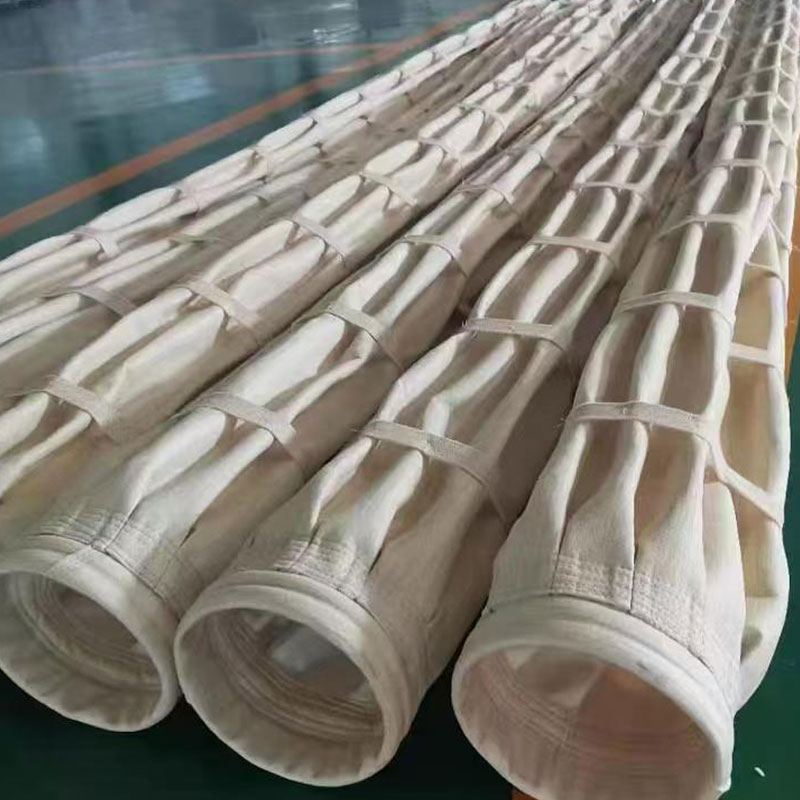
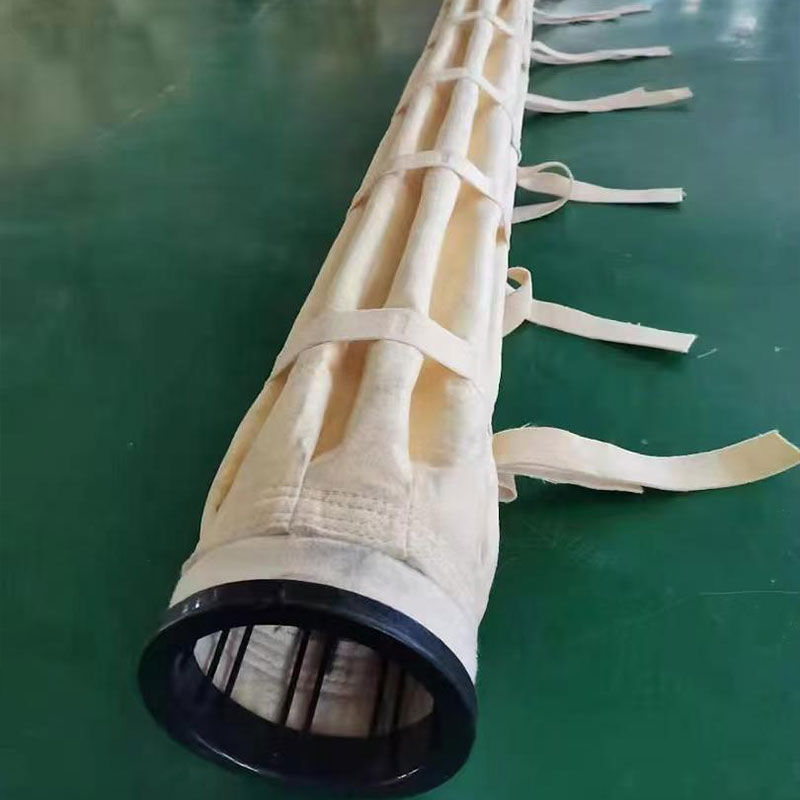
Sacchetto per la polvere
CONTATTACI


NOTIZIE ED EVENTI
-
Composizione dei gas di scarico del forno da coke: guida basata sui dati per il controllo delle emissioni
Un test di stack per una batteria di cokeria restituisce 11,4% di CO2 e 2,8% di O2 su base secca, ma il sistema di trattamento dei fumi è stato progettato intorno al 9,0% di CO2 e al 4,5% di O2. Ora è necessario ridurre l'alimentazione dei reagenti e aumentare il v...
-
Come i depolveratori a maniche Pulse Jet raggiungono il funzionamento continuo in ambienti industriali esigenti
I sistemi di raccolta delle polveri industriali svolgono un ruolo fondamentale nel mantenimento della qualità dell’aria e nel rispetto delle normative ambientali in tutti i settori produttivi. Tra le tecnologie disponibili, i depolveratori a maniche a getto pulsato sono...
-
In che modo gli scrubber per la desolforazione dei gas di scarico umidi controllano le emissioni di SO₂ industriali: tecnologia, efficienza e selezione
Che cos'è uno scrubber FGD a umido? A scrubber ad umido progettato per la desolforazione dei gas di scarico (FGD) è un'apparecchiatura industriale che rimuove il biossido di zolfo (SO2) e altri inquinanti nocivi dai flussi di gas di scarico prima ...
Pezzi di ricambio CONOSCENZA DEL SETTORE
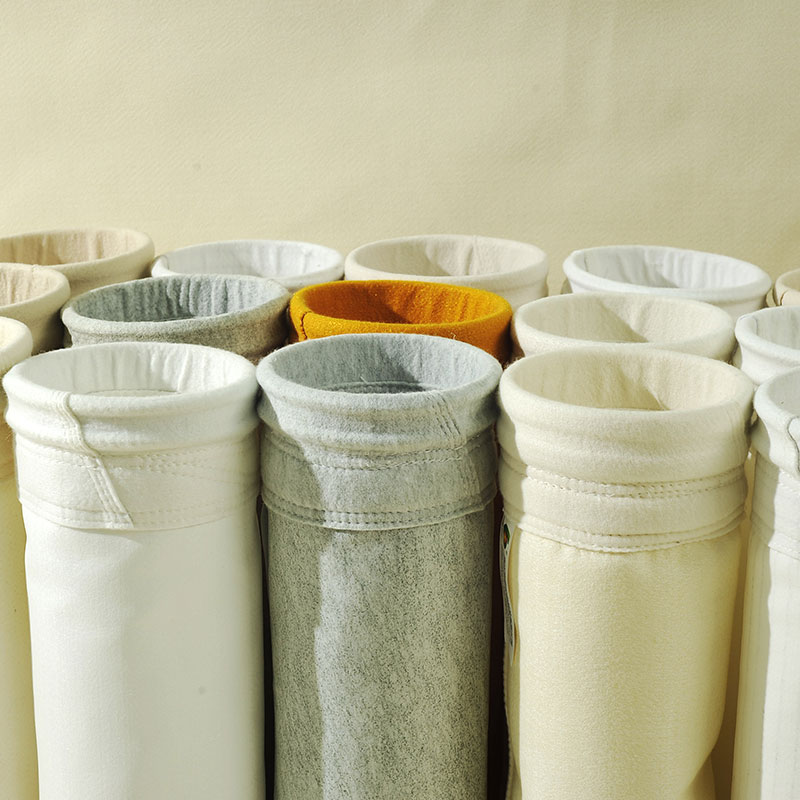
Qual è la differenza tra i sacchetti filtro antipolvere in tessuto e non tessuto?
1. Introduzione ai sacchetti filtranti per polveri nella filtrazione industriale
- Definizione e ruolo di sacchetti filtro antipolvere nei sistemi di controllo dell’inquinamento atmosferico.
- Panoamica delle applicazioni industriali (acciaio, cemento, prodotti farmaceutici, ecc.), in linea con l'esperienza di Anhui Tiankang in sistemi di rimozione delle polveri per settori come la produzione dell’acciaio, le fonderie e il trattamento dei COV.
- Importanza della selezione dei materiali (tessuto o non tessuto) per l'efficienza e il rispetto degli standard ambientali.
2. Sacchetti filtro antipolvere in tessuto: struttura e applicazioni
- Composizione materiale : Tipi di filato (ad esempio poliestere, PTFE), tecniche di tessitura (armatura semplice, saia) e trattamenti superficiali (ad esempio calandratura).
- Caratteristiche prestazionali :
- Elevata resistenza meccanica e resistenza alla temperatura.
- Ideale per le industrie con carichi pesanti (ad es. industria siderurgica sinterizzazione, cappe di spillamento d’altoforno).
- Limitazioni : Minore ritenzione delle particelle fini rispetto alle alternative non tessute.
3. Sacchetti filtro antipolvere in tessuto non tessuto: tecnologia e vantaggi
- Processi di produzione : Metodi di agugliatura, soffiatura a fusione o spunbond.
- Proprietà chiave :
- Efficienza di filtrazione superiore per particelle submicroniche (fondamentale per farmaceutico or industrie del cemento ).
- Flessibilità nelle miscele di materiali (ad esempio, fibre ibride per ambienti corrosivi come fusione di metalli non ferrosi ).
- Compromessi : Durata ridotta in condizioni altamente abrasive.
4. Analisi comparativa: tessuto vs. non tessuto
(Utilizzare una tabella concisa per maggiore chiarezza, se necessario)
| Parametro | Sacchetti filtro antipolvere in tessuto | Sacchetti filtro antipolvere in tessuto non tessuto |
|---|---|---|
| Efficienza di filtrazione | Moderato (10–50 µm) | Alto (<5 µm) |
| Intervallo di temperatura | Fino a 280°C (PTFE) | Tipicamente ≤150°C (varia in base al materiale) |
| Casi d'uso primari | Carichi di polvere pesanti (ad es. trattamento delle scorie di acciaio ) | Particolato fine (ad es. Sistemi COV ) |
5. Criteri di selezione per scenari industriali
- Fattori che influenzano la scelta:
- Dimensione delle particelle di polvere (collegato a quello di Anhui Tiankang disegni di cappe personalizzate per forni elettrici o convertitori).
- Resistenza chimica (ad esempio, gas di combustione acidi in torri di desolforazione ).
- Durata operativa e manutenzione (ad es. attrezzature per il trasporto delle ceneri compatibilità).
- Enfasi su Certificato ISO test e tecnologie brevettate per prestazioni ottimali.
6. Innovazioni e tendenze future
-
Progressi nei materiali ibridi (ad esempio, sacchetti in tessuto rivestiti in PTFE) per denitrificazione dei fumi .
-
Ruolo di sistemi di qualità a catena intera (dalla ricerca e sviluppo alla consegna) per migliorare la durabilità.
-
Riepilogo delle distinzioni tessuto/non tessuto.
-
Reiterazione di sacchetti filtro antipolvere come componenti critici in progetti ambientali chiavi in mano , supportato da competenze ingegneristiche come quelle di Anhui Tiankang soluzioni integrate .
RICHIESTA

Un impresa high-tech dedicata alla tutela e alla governance ambientale


INFORMAZIONI DI CONTATTO
- Tel: +86-0510-88766689
- WhatsApp: +86-18115232326
- E-mail: [email protected]
- Add: Zona industriale del comune di Chengbei, distretto di Jin'an, città di Lu'an, provincia di Anhui, Cina

